


F*ck Fragrance.
Research shows that synthetic fragrance compounds can be toxic for our bodies and for the planet.
At Sea Witch Botanicals, we craft our aromatic blends with 100% plant-derived oils and resins. Because you deserve to breathe plants, not plastic.
What's that smell?
Perfume, parfum, aroma, fragrance—you've seen this ingredient listed in every home and body product. So what exactly is “fragrance”?
"Fragrance" is an umbrella term for over 3,100 chemicals used to manufacture scents. Phthalates, parabens, and other petroleum-based chemicals are just a few of these ingredients.
Because fragrance compounds are marked as trade secrets, companies aren’t required to name the ingredients they use. Many of them are known carcinogens. Others are related to a wide variety of negative health impacts and allergic reactions.
Synthetic fragrances, explained.
What are synthetic fragrances?
A fragrance is loosely defined by the FDA as any combination of chemicals that give a product its scent.
There are well over 3,000 ingredients that are reported as being used in fragrance compounds. Products that list fragrance on their ingredients label may be using a medley of materials to make up a single aroma.
In fact, in lab tests analyzed by the Environmental Working Group (EWG), researchers found an average of 14 secret, unlisted ingredients per product from 17 name-brand perfumes. Scented products can also contain solvents, stabilizers, UV absorbers, preservatives, and dyes.
What kinds of products contain synthetic fragrances?
Unfortunately, synthetic fragrance compounds seem to be lurking in nearly every personal care or cleaning product on the market.
Where you'll find them: Scented and “unscented” products alike, including perfumes, soaps, incense, hair products, deodorants, aftershave, astringents, facial cleansers, lotion, sunscreen, makeup, bath salts, laundry detergent, cleaning sprays, wipes, etc.
An easy switch: Essential oil-based, all-natural products; fragrance-free products
Are synthetic fragrances safe for health?
Because fragrance compounds are marked as trade secrets, companies aren’t required to name the specific ingredients used. Many of these chemicals are known carcinogens, associated with hormone disruption, irritating to the skin and eyes, and/or linked to developmental toxicity.
An analysis of 3,163 chemicals in EWG’s Cosmetics Database found that 1 in 20 earned a “high” hazard score, and 16% rated at least a “moderate” hazard score. The database factors in availability of data on each chemical and rates known and suspected environmental and human hazards. Ingredients that rank a high score have been directly linked to serious health issues in government, academic, or industry studies.
These findings concluded with 25 chemicals rated a level 10 hazard, meaning they’re completely unsafe and confirmed to be toxic to humans. Among the worst offenders were octoxynols, nonoxynols, and phthalates. These chemicals are known hormone disruptors that bioaccumulate in the body (mostly in our fat stores), and are passed down from mother to child for generations to come.
In addition, another 19% of chemicals listed on labels haven’t even been assessed for safety by the fragrance industry.
Am I allergic to synthetic fragrances?
Numerous studies have shown that fragrance oils can adversely impact human bodies. In fact, the American Academy of Dermatology (AAD) has reported that fragrance chemicals are the top cause for allergic reactions to cosmetics!
Common indicators of synthetic fragrance allergy or sensitivity can include any of the following symptoms when coming into contact with fragrance allergens:
- itchiness or burning around the eyes and throat
- dry skin, rash, or hives
- cold symptoms (congestion, runny nose, sneezing, cough, etc)
- headaches or nausea
NOTE: This information is not intended to diagnose or treat any condition. If you think you might have an allergy to synthetic fragrances, schedule an appointment with your doctor to discuss further.
How do synthetic fragrances impact the environment?
Synthetic fragrances can negatively impact the environment. When entering the ground or waterways through waste, these unnatural fragrance chemicals can disrupt soil health and aquatic ecosystems, posing a major threat to biodiversity.
It's possible some of these chemicals can alter the water’s surface tension, which makes it easier for toxins like pesticides to enter the stream and be absorbed into the food web.
A majority of synthetic fragrances are also derived from fossil fuel resources like petroleum and coal tar, making them fundamentally unsustainable ingredients.
What can I use instead of synthetic fragrances?
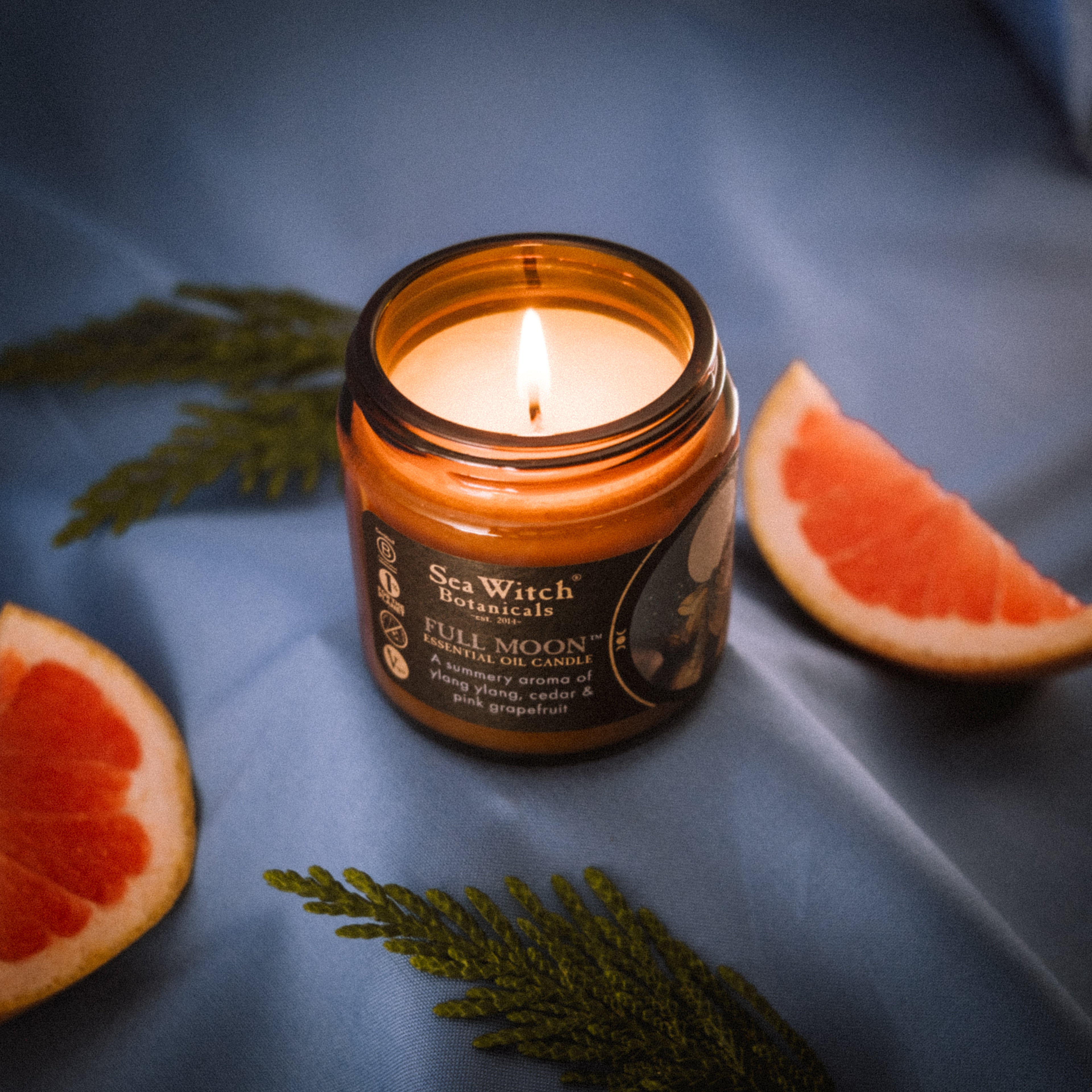
Smelling good doesn't have to come with a cost! At Sea Witch Botanicals, we craft our aromas with pure essential oils. From incense and candles to natural perfumes and colognes, all of our ingredients are derived from plants and minerals. Zero synthetics, zero compromises.
We're here to help.
Our mission is to keep the world's water healthy by providing home and body products that are good for you, and good for the planet.
